The Future Growth of the Global Electric Cargo Three-Wheeler Market in the Next Decade
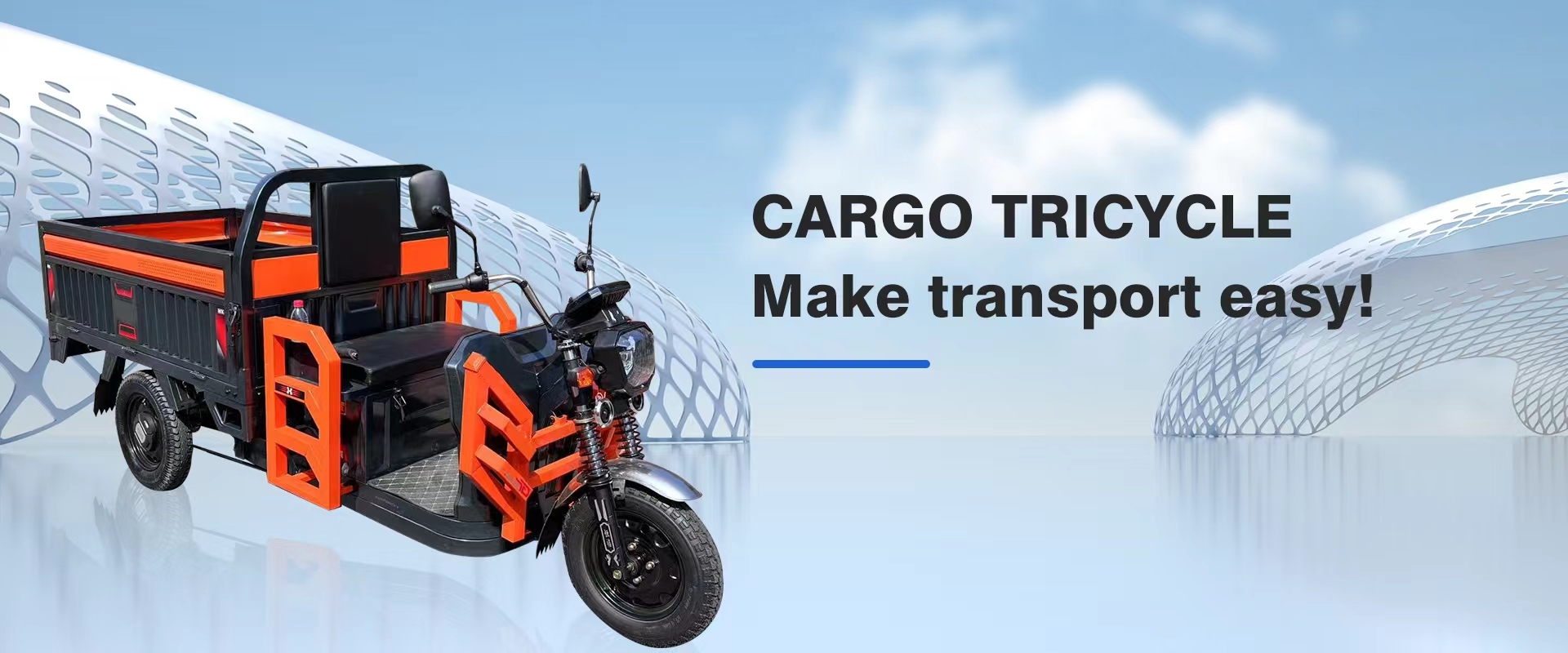
**The Future Growth of the Global Electric Cargo Three-Wheeler Market in the Next Decade**
As cities grow and the demand for sustainable transportation solutions rises, the electric cargo three-wheeler (e-three-wheeler) market is poised for significant growth
over the next decade. These compact, electric-powered vehicles are rapidly gaining popularity for last-mile deliveries and short-distance freight transport, offering
eco-friendly, efficient, and cost-effective alternatives to traditional delivery methods. Here’s an overview of the factors that will drive the development of the
e-three-wheeler market in the coming years.
### 1. **Increasing Urbanization and E-Commerce Boom**
Urbanization is one of the key factors contributing to the rise of electric cargo three-wheelers. With more people living in cities, the demand for efficient and
environmentally friendly transportation options for goods delivery has surged. The rapid growth of e-commerce, especially in urban areas, has led to an increase in
small-scale, last-mile deliveries that are ideal for electric three-wheelers. These vehicles can easily navigate congested streets, narrow alleys, and crowded urban areas
where larger trucks and vans would be impractical.
As cities strive to reduce traffic congestion and improve air quality, the adoption of electric cargo three-wheelers for urban logistics is expected to expand significantly.
Their compact size allows them to be highly maneuverable, while their electric nature reduces emissions, making them a perfect fit for emission-restricted zones.
### 2. **Environmental Regulations and Sustainability Trends**
Governments around the world are increasingly introducing stricter environmental regulations aimed at reducing carbon emissions and improving air quality. This trend
is particularly noticeable in Europe, North America, and parts of Asia, where governments are setting ambitious targets to phase out internal combustion engine (ICE)
vehicles and promote the adoption of electric vehicles (EVs).
Electric cargo three-wheelers are positioned as a practical solution to these challenges. Their zero-emission operation helps cities meet their sustainability goals by
reducing air pollution and noise levels. Furthermore, many governments are offering incentives and subsidies to promote the adoption of electric vehicles, which is
expected to accelerate the adoption of electric cargo three-wheelers, especially in the commercial transportation sector.
### 3. **Cost-Effectiveness and Operational Efficiency**
One of the primary drivers of the growth of electric cargo three-wheelers is their lower operating costs compared to traditional fuel-powered vehicles. Electric vehicles
have fewer moving parts, lower maintenance costs, and the price of electricity for charging is generally much cheaper than fuel. For businesses involved in delivery
services, this results in significant cost savings in the long term.
The reduced maintenance requirements and fuel savings, combined with the long lifespan of modern electric vehicle batteries, make e-three-wheelers an attractive
investment for logistics companies and small businesses looking to cut transportation costs. Additionally, the lower upfront cost of many electric three-wheelers, as well
as available financing options, make them accessible to a wider range of operators, including small and medium-sized enterprises (SMEs).
### 4. **Technological Advancements and Battery Improvements**
The development of battery technology will play a critical role in the expansion of the electric cargo three-wheeler market. Over the next decade, advancements in
battery efficiency, energy density, and charging speed are expected to significantly enhance the performance and range of electric three-wheelers. Batteries with longer
life spans and faster charging times will make electric vehicles more practical for businesses requiring frequent, long-distance deliveries.
Additionally, the rise of smart and connected vehicle technology—such as telematics, route optimization, and fleet management software—will further improve the
operational efficiency of electric three-wheelers. These technological innovations will enable fleet operators to monitor and manage their vehicles in real-time, reducing
downtime, improving fuel efficiency, and ensuring better asset utilization.
### 5. **Growing Market in Emerging Economies**
While electric cargo three-wheelers are already gaining traction in developed markets like Europe and North America, their adoption is expected to increase significantly
in emerging markets, particularly in Asia and Africa. Countries like India, China, and Brazil are seeing rapid growth in e-commerce and urban logistics, creating significant
demand for efficient and cost-effective delivery solutions.
In markets like India, electric three-wheelers are already proving to be an essential part of the logistics ecosystem, particularly for last-mile delivery of goods in dense
urban areas. These vehicles are affordable, well-suited to local road conditions, and able to carry moderate loads—making them a popular choice among local businesses
and logistics providers.
As infrastructure such as charging stations improves in these regions, the adoption of electric cargo three-wheelers is expected to rise sharply.
### 6. **Key Challenges**
While the future of the electric cargo three-wheeler market looks promising, there are some challenges that need to be addressed to ensure widespread adoption:
- **Charging Infrastructure**: The expansion of electric vehicle charging infrastructure is essential for the success of e-three-wheelers, especially in developing countries.
The availability of convenient and fast-charging stations will encourage operators to switch to electric vehicles.
- **Battery Life and Costs**: While battery technology is improving, the cost of batteries remains a significant portion of the vehicle’s total price. As battery prices
continue to decline, it will make electric cargo three-wheelers even more affordable and accessible to a wider range of consumers.
- **Regulatory and Policy Support**: Governments will need to provide continued policy support, including tax incentives, subsidies, and favorable regulations, to
accelerate the adoption of electric three-wheelers.
### 7. **Market Outlook for the Next 10 Years**
Looking ahead, the global market for electric cargo three-wheelers is expected to experience robust growth over the next decade. According to industry forecasts,
the market is set to grow at a compound annual growth rate (CAGR) of 10-15% during this period. This growth will be driven by the combined factors of increasing
demand for eco-friendly transport, regulatory pressures to reduce emissions, and cost savings associated with electric vehicles.
By 2035, electric cargo three-wheelers are expected to become a dominant force in the last-mile delivery sector, particularly in urban and semi-urban areas. With their
ability to reduce operational costs, meet sustainability goals, and navigate crowded city streets efficiently, they will play a central role in the transformation of global
logistics and freight transport.
### Conclusion
The next decade will witness the rapid expansion of the electric cargo three-wheeler market, driven by urbanization, environmental regulations, technological
advancements, and the increasing demand for sustainable and cost-effective logistics solutions. As the market matures, electric cargo three-wheelers are poised to
become a vital component of the global transportation landscape, revolutionizing the way goods are delivered in cities around the world.